 01233 740529


Special Offers
Redeem Offer Code
Redeem Gift Voucher
Scarecrow Members

Our Feedback
Hi
Just received the plant very pleased thank you very much, I will use you again !!
Martyn
Martyn Dowding, Dorset
Close Social & Offers
Special Offers
Redeem Offer Code
Redeem Gift Voucher
Scarecrow Members
Our Feedback
Hi
Just received the plant very pleased thank you very much, I will use you again !!
Martyn
Martyn Dowding, Dorset
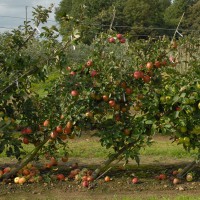
Fruit Trees
For an extra 'grow your own' element, why not introduce some fruit trees to your home growing venture? We supply a large range of fruit trees for sale, including our popular range of apple trees, plum trees, cherry trees and pear trees.
Even if space is at a premium, fruit trees can easily be incorporated into your growing scheme, adding some extra flavour and variety to your home-grown produce. More...
Next to vegetables, home-grown fruit is probably one of the most valuable additions to any productive garden. In fact, we'd go as far to say that if you have the room, an orchard or 'mini orchard' is essential!
Fruit trees not only bring an extra abundance of flavours into your home cooking and baking, but for those with limited growing space, fruit trees can actually offer an accommodating compromise. With very few exceptions, the fruit trees we offer are suitable for growing in the ground, as well as in large pots or containers. This means that even if your allocated growing space is limited to a patio, terrace or roof garden, you can still make the most of your space and enjoy fresh pickings with patio fruit trees. In most cases, our trees are also suitable for training into your chosen form, whether it’s bush, cordon, espalier or fan.
Flavour is most often the defining factor in our selection of fruit trees for sale. That's why so many older and heritage varieties have made it into our listings, alongside a number of newer varieties that we have found to have merit. You can be assured that we carefully select each variety that we sell, so although our fruit tree listing is not exhaustive, we firmly believe it represents the very best of what is available.
Our full range of fruit trees are available during the dormant season - from approximately mid November until April - and are generally supplied direct to you as bare root trees lifted from the open ground. During the late spring and summer months we are able to supply many varieties as pot-grown trees.
Prior to dispatch, our trees are carefully pruned and unless specifically requested we prune our trees for growing in bush form. We offer our customers an exclusive service on our fruit trees, so if you intend to grow in another form please let us know and we shall select and prune them accordingly.


Apple Tree 'Ashmead's Kernel'

Eating Apple. Pale green fruits have a unique acid drop flavour and excellent keeping qualities. Self-sterile. MM106 rootstock.
Available Now
Supplied as a containerised tree pruned to approximately 3-4 ft (90-120cm) tall including pot.
Apple Tree 'Blenheim Orange'

Russet Cooking / Eating Apple. Fruits have a crumbly texture with a distinctive nutty flavour. Self-sterile triploid. MM106 rootstock.
Available Now
Supplied as a containerised tree pruned to approximately 3-4 ft (90-120cm) tall including pot.
Apple Tree 'Bramley's Seedling'

Cooking Apple. The classic 'English' cooker; needs no further description. Self-sterile triploid. M26 rootstock.
Available Now
Supplied as a containerised tree pruned to approximately 3-4 ft (90-120cm) tall including pot.
Apple Tree 'Claygate Pearmain'

Russet Eating Apple. A popular Victorian variety with a nutty aromatic flavour and good keeping qualities. Self-sterile. MM106 rootstock.
Available Now
Supplied as a containerised tree pruned to approximately 3-4 ft (90-120cm) tall including pot.
Apple Tree 'Court Of Wick'

Eating Apple. A strong fruity flavoured apple from the West Country that has proven to be very hardy. Self-sterile. MM106 rootstock.
Available Now
Supplied as a containerised tree pruned to approximately 3-4 ft (90-120cm) tall including pot.
Apple Tree 'Discovery'

Eating Apple. One of the best early apples there is - and best eaten straight from the tree. Self-sterile. M26 rootstock.
Available Now
Supplied as a containerised tree pruned to approximately 3-4 ft (90-120cm) tall including pot.
Apple Tree 'Ellison's Orange'

Eating Apple. An excellent alternative to Cox for the north of England with a distinctive flavour. Self-fertile. M26 rootstock.
Available Now
Supplied as a containerised tree pruned to approximately 3-4 ft (90-120cm) tall including pot.
Apple Tree 'Gala'

Eating Apple. Delicious, mild, sweet variety with an orange, red skin and white flesh. Season of use October to January. Partially self-fertile. MM106 rootstock.
Available Now
Supplied as a containerised tree pruned to approximately 3-4 ft (90-120cm) tall including pot.
Apple Tree 'Golden Delicious'

Eating Apple. Butter gold fruit is both crisp and juicy. Supermarkets have destroyed the reputation of this lovely fruit. Self Sterile. M26 rootstock.
Available Now
Supplied as a containerised tree pruned to approximately 3-4 ft (90-120cm) tall including pot.
Apple Tree 'Granny Smith'

Eating Apple. Firm and crisp fruits hardly need description. Originating from Australia, it is better for warmer areas. Self-fertile. M26 rootstock.
Available Now
Supplied as a containerised tree pruned to approximately 3-4 ft (90-120cm) tall including pot.
Apple Tree 'Howgate Wonder'

Cooking Apple. Huge fruits have a gorgeously sweet flavour, and hold their shape when cooked. Partially self-fertile. MM106 rootstock.
Available Now
Supplied as a containerised tree pruned to approximately 3-4 ft (90-120cm) tall including pot.
Apple Tree 'Idared'

Eating Apple. A bright and cheerful coloured apple with a juicy, sweet flavour. Stores well. Self Sterile. M26 rootstock.
Available Now
Supplied as a containerised tree pruned to approximately 3-4 ft (90-120cm) tall including pot.
Apple Tree 'James Grieve'

Cooking/Eating Apple. Large fruits have an attractive flushed colour and excellent crisp flavour. Self-fertile. M26 rootstock.
Available Now
Supplied as a containerised tree pruned to approximately 3-4 ft (90-120cm) tall including pot.
Apple Tree 'King of The Pippins'

Eating Apple. A lovely sweet-sharp flavoured variety that becomes sweeter in storage, juices well. Self-fertile. M26 rootstock.
Available Now
Supplied as a containerised tree pruned to approximately 3-4 ft (90-120cm) tall including pot.
Apple Tree 'Lane's Prince Albert'

Cooking / Eating Apple. Large green fruits are sharp and juicy. Storing well it mellows and can be used as an eater. Self-fertile. MM106 rootstock.
Available Now
Supplied as a containerised tree pruned to approximately 3-4 ft (90-120cm) tall including pot.
Apple Tree 'Laxton's Superb'

Eating Apple. Often likened to Cox, but in reality has better flavour and keeping qualities - bigger too! Self-fertile. M26 rootstock.
Available Now
Supplied as a containerised tree pruned to approximately 3-4 ft (90-120cm) tall including pot.
Apple Tree 'Lord Derby'

Cooking Apple. Excellent quality fruits keep their shape when cooked. Very hardy making it ideal for northern gardeners. Self-fertile. MM106 rootstock
Available Now
Supplied as a containerised tree pruned to approximately 3-4 ft (90-120cm) tall including pot.
Apple Tree 'Lucombe's Pine'
Eating Apple. Golden yellow fruits have an unusual aromatic pineapple flavour. Self Sterile. MM106 rootstock.
Available Now
Supplied as a containerised tree pruned to approximately 3-4 ft (90-120cm) tall including pot.
Apple Tree 'Sops In Wine'

Cooking / Eating Apple. Red-skinned with red flesh - and produces red juice if juiced. A really pretty variety. Self-sterile. MM106 rootstock.
Available Now
Supplied as a containerised tree pruned to approximately 3-4 ft (90-120cm) tall including pot.
Apple Tree 'Spartan'

Eating Apple. Dark red fruits have a crisp white flesh and a very pleasant flavour. Self-fertile. MM106 rootstock.
Available Now
Supplied as a containerised tree pruned to approximately 3-4 ft (90-120cm) tall including pot.
Apple Tree 'Stark's Earliest'

Eating Apple. A really early fruiting variety that produces crisp apples with a good flavour. Self-fertile. M26 rootstock.
Available Now
Supplied as a containerised tree pruned to approximately 3-4 ft (90-120cm) tall including pot.
Apple Tree 'Winston'

Russet Eating Apple. An extremely long-keeping variety that produces creamy white-fleshed fruits. Self-fertile. M26 rootstock.
Available Now
Supplied as a containerised tree pruned to approximately 3-4 ft (90-120cm) tall including pot.
Black Mulberry Tree

Purplish-black, sweet and juicy fruits mid Summer. A real treat that is never seen in supermarkets. A highly ornamental tree in its own right. Self Fertile.
Available Now
Supplied as a pot grown tree approximately 2- 3 feet (60 - 90 cm) tall including pot.
Cherry Tree 'Early Rivers'

Eating Cherry. Dark red sweet cherries are produced early on in the Season. Fruits ripen in succession giving two or three pickings. Self Sterile. Colt rootstock.
Available Now
Supplied as a containerised tree pruned to approximately 3-4 ft (90-120cm) tall including pot.
Cherry Tree 'Merton Premier'

Eating Cherry. An early fruiting sweet flavoured cherry that we recommend highly. Self Sterile. Colt rootstock.
Available Now
Supplied as a containerised tree pruned to approximately 3-4 ft (90-120cm) tall including pot.
Cherry Tree 'Napoleon'

Eating Cherry. Yellow fruits have a deep red flush and a gorgeous sweet flavour. Late fruiting. Self Sterile. Colt rootstock.
Available Now
Supplied as a containerised tree pruned to approximately 3-4 ft (90-120cm) tall including pot.
Cherry Tree 'Sunburst'

Eating Cherry. A late season eating cherry which produces large almost black fruits. Self Fertile. Colt rootstock.
Available Now
Supplied as a containerised tree pruned to approximately 3-4 ft (90-120cm) tall including pot.
Cider Apple Tree 'Ellis' Bitter'

Cider Apple. Medium bittersweet and with good disease resistance. Fruit drops when it is ripe. Self Sterile. M25 rootstock.
Available Now
Supplied as a containerised tree pruned to approximately 3-4 ft (90-120cm) tall including pot.
Cider Apple Tree 'Tremlett's Bitter'

Cider Apple. Frost resistant blossoms are followed by heavy crops of deep red conical fruits. Self Sterile. M25 rootstock.
Available Now
Supplied as a containerised tree pruned to approximately 3-4 ft (90-120cm) tall including pot.
Cider Apple Tree 'Yarlington Mill'

Cider Apple. Medium bittersweet fruits. Self Sterile. M25 rootstock.
Available Now
Supplied as a containerised tree pruned to approximately 3-4 ft (90-120cm) tall including pot.
Crab Apple Tree 'Evereste'

Self Fertile. Orange red fruit, with pink buds and white blossom in Spring followed by stunning Autumn leaf colour. MM106 rootstock
Available Now
Supplied as a containerised tree pruned to approximately 3-4 ft (90-120cm) tall including pot.
Crab Apple Tree 'John Downie'

Crab Apple. Produces a profusion of rich orange red fruits in October perfect for crab apple jelly. Self Fertile. M26 rootstock.
Available Now
Supplied as a containerised tree pruned to approximately 3-4 ft (90-120cm) tall including pot.
Crab Apple Tree 'Red Sentinel'

Crab Apple. Scented white flowers are followed by heavy crops of rich red fruits. Highly recommended. Self Fertile. MM106 rootstock.
Available Now
Supplied as a containerised tree pruned to approximately 3-4 ft (90-120cm) tall including pot.

Damson Tree 'Farleigh'

Very heavy and reliable cropping variety, producing blue-black fruits perfect for eating, cooking and preserving. Self Fertile. St Julien A rootstock.
Available Now
Supplied as a containerised tree pruned to approximately 3-4 ft (90-120cm) tall including pot.
Fig Tree 'Brown Turkey'

Easy and reliable. Gorgeously sweet purple brown figs have dark red flesh. Hardy and very reliable. Self Fertile.
Available Now
Supplied as a containerised plant approximately 1 - 2 feet (30-60cm) tall including pot.
Pear Tree 'Clapp's Favourite'

Eating / Cooking Pear. Produces heavy crops of yellow-green fruits early in the Season. Self Sterile. Quince A rootstock.
Available Now
Supplied as a containerised tree pruned to approximately 3-4 ft (90-120cm) tall including pot.
Pear Tree 'Concorde'

Eating Pear. Yellow green fruits, sometimes blushed red, have sweet and juicy soft flesh. Reliable and heavy cropping. Self Fertile. Quince A rootstock.
Available Now
Supplied as a containerised tree pruned to approximately 3-4 ft (90-120cm) tall including pot.
Pear Tree 'Doyenné du Comice'

Eating Pear. Heavy cropping, producing greenish yellow fruits with a meltingly juicy flesh. Self Sterile. Quince A rootstock.
Available Now
Supplied as a containerised tree pruned to approximately 3-4 ft (90-120cm) tall including pot.
Pear Tree 'Williams Bon Chrétien'

Eating / Cooking Pear. Produces heavy crops of large golden yellow fruits early in the Season. Self Fertile. Quince A rootstock.
Available Now
Supplied as a containerised tree pruned to approximately 3-4 ft (90-120cm) tall including pot.
Plum Tree 'Belle de Louvain'
Cooking Plum. Dark purple oval fruits in abundance. Good for Northern gardens or more shady positions. Partially Self Fertile. St Julien A rootstock.
Available Now
Supplied as a containerised tree pruned to approximately 3-4 ft (90-120cm) tall including pot.
Plum Tree 'Czar'

Eating / Cooking Plum. Dark blue fruits can be picked early for cooking or allowed to sweeten on the tree. Self Fertile. St Julien A rootstock.
Available Now
Supplied as a containerised tree pruned to approximately 3-4 ft (90-120cm) tall including pot.
Quince Tree 'Champion'

Reliable variety with better resilience to wetter soils. Large rounded fruits with a good aroma and flavour. Self Fertile. Quince A rootstock.
Available Now
Supplied as a containerised tree pruned to approximately 3-4 ft (90-120cm) tall including pot.
White Mulberry Tree
The favourite food source for silk moths. Slightly sharp finish to the fruit, even when ripe. Self Fertile.
Available Now
Supplied as a containerised tree pruned to approximately 3-4 ft (90-120cm) tall including pot.
Apple Tree 'Annie Elizabeth'

Cooking Apple. Fruits are so sweet sugar is rarely needed. Very hardy and perfect for the north of the country. Self-fertile. MM106 rootstock.
Currently Not Available To Purchase - Available from APPROXIMATELY mid June
Supplied as a containerised tree pruned to approximately 3-4 ft (90-120cm) tall including pot.
Apple Tree 'Braeburn'
Eating Apple. Sweet, sharp, crisp variety, ideal for growing in a sunny position in the south of the UK. Season of use October to January. Self-fertile. MM106 rootstock.
Currently Not Available To Purchase - Available from - We Need To Check Stock
Supplied as a containerised tree pruned to approximately 3-4 ft (90-120cm) tall including pot.
Apple Tree 'Cox's Orange Pippin'

Eating Apple. Crisp, juicy orange-red fruits. Considered by many to be the best of all dessert apples - and certainly a British favourite! Self-sterile. M26 rootstock.
Currently Not Available To Purchase - Available from APPROXIMATELY late November / early December
Supplied as a containerised tree pruned to approximately 3-4 ft (90-120cm) tall including pot.
Apple Tree 'Devonshire Quarrenden'

Eating Apple. An unusual variety with a distinct strawberry flavour. Best when eaten from the tree. Self-fertile. MM106 rootstock.
Currently Not Available To Purchase - Available from APPROXIMATELY late November / early December
Supplied as a bare root tree pruned to approximately 3-4 ft (90-120cm) tall including roots.
 More information...
Apple Tree 'Egremont Russet'
Russet, eating apple. Sweet, crisp variety, self fertile with a great heritage from 1872. Good for growing in the North of the country. MM106 rootstock.
Currently Not Available To Purchase - Available from APPROXIMATELY mid June
Supplied as a containerised tree pruned to approximately 3-4 ft (90-120cm) tall including pot.
Apple Tree 'Sunset'

Eating Apple. Similar to Cox in flavour, but easier to grow. Fruits take on an autumnal yellow blush. Self-fertile. MM106 rootstock.
Currently Not Available To Purchase - Available from APPROXIMATELY late November / early December
Supplied as a bare root tree pruned to approximately 3-4 ft (90-120cm) tall including roots.
Apricot Tree 'Hargrand'

An extremely hardy variety that produces deep orange-red 'freestone' fruits in profusion. Self Fertile. St Julien A rootstock.
Available from APPROXIMATELY mid June
Supplied as a containerised tree pruned to approximately 3-4 ft (90-120cm) tall including pot.
Apricot Tree 'Hungarian Best'

Golden-orange fruits, blushed with red, have a dark red, sweet and juicy flesh. Perfect for eating fresh or in preserves. Self Fertile. St Julien A rootstock.
Available from APPROXIMATELY mid June
Supplied as a containerised tree pruned to approximately 3-4 ft (90-120cm) tall including pot.
Asian Pear Tree 'Hosui'

Large and juicy bronze skinned fruits. Sweet Pear flavour with very low acid. Partially Self Fertile. Pyrus betulifolia rootstock.
Currently Not Available To Purchase - Available from APPROXIMATELY late November / early December
Supplied as a bare root tree pruned to approximately 3-4 ft (90-120cm) tall including roots.
Asian Pear Tree 'Kosui'

Small, round, copper-bronze coloured fruit have a sweet and juicy pear taste. Ripens mid - late July. Juicy but crisp. Partially Self Fertile. Pyrus betulifolia rootstock.
Currently Not Available To Purchase - Available from APPROXIMATELY late November / early December
Supplied as a bare root tree pruned to approximately 3-4 ft (90-120cm) tall including roots.
Asian Pear Tree 'Nijisseiki'

Medium sized, round, yellow fruit are said to be the most flavoursome of all Asian Pears. Fresh, juicy and pleasantly sharp. Partially Self Fertile. Pyrus betulifolia rootstock.
Currently Not Available To Purchase - Available from APPROXIMATELY late November / early December
Supplied as a bare root tree pruned to approximately 3-4 ft (90-120cm) tall including roots.
Asian Pear Tree 'Shinko'

Large, rounded, slightly flattened fruit has a lovely bronze russet skin. Heavy cropping and excellent disease resistance. Partially Self Fertile. Pyrus betulifolia rootstock.
Currently Not Available To Purchase - Available from APPROXIMATELY late November / early December
Supplied as a bare root tree pruned to approximately 3-4 ft (90-120cm) tall including roots.
Asian Pear Tree 'Shinseiki'

Round, yellow skinned firm fruits are crisp and very juicy. Stores well. Ripens early August. Partially Self Fertile. Pyrus betulifolia rootstock.
Currently Not Available To Purchase - Available from APPROXIMATELY late November / early December
Supplied as a bare root tree pruned to approximately 3-4 ft (90-120cm) tall including roots.
Asian Pear Tree 'Tama'
Mid season cropping variety of sweet and juicy yet firm fruit. White blossom followed by golden / green fruits. Requires a pollinator.
Currently Not Available To Purchase - Available from APPROXIMATELY late November / early December
Supplied as a bare root tree pruned to approximately 3-4 ft (90-120cm) tall including roots.
Cherry Tree 'Morello'

Cooking Cherry. The best known of them all - producing juicy dark red fruits that are perfect for jams and pies. Self Fertile. Colt rootstock.
Currently Not Available To Purchase - Available from APPROXIMATELY late November / early December
Supplied as a bare root tree pruned to approximately 3-4 ft (90-120cm) tall including roots.
Cherry Tree 'Stella'

Eating Cherry. A self fertile variety producing large dark fruits with an excellent sweet flavour. Mid to late season fruiting. Self Fertile. Colt rootstock.
Currently Not Available To Purchase - Available from - SOLD OUT UNTIL NEXT YEAR - 2025
Supplied as a containerised tree pruned to approximately 3-4 ft (90-120cm) tall including pot.
Crab Apple Tree 'Butterball'

Crab Apple. Gorgeous white, flushed pink, blossoms are followed by very heavy crops of 'butter-golden' fruits. Self-fertile. M26 rootstock.
Currently Not Available To Purchase - Available from - SOLD OUT UNTIL NEXT YEAR - 2025
Supplied as a containerised tree pruned to approximately 3-4 ft (90-120cm) tall including pot.
More information...
Exotic Fruits For Outdoors

A three tree collection consisting of a Peach, a Nectarine and an Apricot - perfect for bringing the 'exotic' to the garden. All Self Fertile.
Currently Not Available To Purchase - Available from APPROXIMATELY late November / early December
Supplied as bare root trees pruned to approximately 3 - 4 feet (90 - 120 cm) tall including roots.
Fruit Tree Favourites Collection

A classic collection of fruit trees - 'James Grieve' Apple, 'Conference' Pear and 'Victoria' Plum. All Self Fertile and all on dwarfing rootstocks.
Currently Not Available To Purchase - Available from APPROXIMATELY late November / early December
Supplied as bare root trees pruned to approximately 3 - 4 feet (90 - 120 cm) tall including roots.
Goldengage Tree 'Oullin's Gage'

Sweet, golden-yellow flesh. An excellent variety for bottling or freezing. Self Fertile. St Julien A rootstock.
Currently Not Available To Purchase - Available from APPROXIMATELY mid June
Supplied as a containerised tree pruned to approximately 3-4 ft (90-120cm) tall including pot.
Greengage Tree 'Reine-Claude de Vars'

Greenish yellow flesh with a firm but juicy flavour. Self Fertile. St Julien A rootstock.
Currently Not Available To Purchase - Available from APPROXIMATELY late November / early December
Supplied as a bare root tree pruned to approximately 3-4 ft (90-120cm) tall including roots.
Medlar Tree 'Nottingham'

A hugely underrated variety of fruit that has a sublime apple-pear sauce flavour and texture. Self Fertile. Quince A rootstock.
Currently Not Available To Purchase - Available from APPROXIMATELY late November / early December
Supplied as a bare root tree pruned to approximately 3-4 ft (90-120cm) tall including roots.
Nectarine Tree 'Lord Napier'

Thin skinned, burgundy-red fruits have sweet and very juicy white flesh. Self Fertile. St Julien A rootstock.
Available from APPROXIMATELY mid June
Supplied as a containerised tree pruned to approximately 3-4 ft (90-120cm) tall including pot.
Nectarine Tree 'Madame Blanchette'
Medium sized orange-red skinned fruits are gorgeously juicy and sweet. Blossom has a good resistance to frost damage. Self Fertile. St Julien A rootstock.
Available from APPROXIMATELY mid June
Supplied as a containerised tree pruned to approximately 3-4 ft (90-120cm) tall including pot.
Peach Tree 'Darling'

Free stone variety with a rich flavoured white flesh. Peach Leaf Curl Resistant. Self Fertile. St Julien A rootstock.
Available from APPROXIMATELY mid June
Supplied as a containerised tree pruned to approximately 3-4 ft (90-120cm) tall including pot.
Peach Tree 'Jalousia'
A delicious flat peach with sweet, and very juicy, white flesh and a small stone. Also known as honey peaches. Self Fertile. St Julien A rootstock.
Available from APPROXIMATELY mid June
Supplied as a containerised tree pruned to approximately 3-4 ft (90-120cm) tall including pot.
Peach Tree 'Red Haven'

Produces firm, pale yellow fleshed fruits early in the Season. A reliable cropper. Self Fertile. Leaf Curl Resistant. St Julien A rootstock.
Available from APPROXIMATELY mid June
Supplied as a containerised tree pruned to approximately 3-4 ft (90-120cm) tall including pot.
Pear Tree 'Conference'

Eating Pear. The most popular UK Pear. Reliable cropper of long, narrow, yellow-green fruits. Self Fertile. Quince A rootstock.
Available from APPROXIMATELY mid June
Supplied as a containerised tree pruned to approximately 3-4 ft (90-120cm) tall including pot.
Plum Tree 'Jefferson'

Eating Plum. Large pale yellow-green fruits are ripe late August, and full of sweet juice. Self Sterile. St Julien A rootstock.
Currently Not Available To Purchase - Available from APPROXIMATELY mid June
Supplied as a containerised tree pruned to approximately 3-4 ft (90-120cm) tall including pot.
Plum Tree 'Rivers Early Prolific'
Eating / Cooking Plum. Dark blue round fruits with are plentiful early in the season. Partially Self Fertile. St Julien A rootstock.
Currently Not Available To Purchase - Available from APPROXIMATELY mid June
Supplied as a containerised tree pruned to approximately 3-4 ft (90-120cm) tall including pot.
Plum Tree 'Stanley'

Eating Plum. Firm fruits have deep violet-blue skins and orange-yellow sweet and juicy flesh. Self Fertile. St Julien A rootstock.
Currently Not Available To Purchase - Available from - We Need To Check Stock
Supplied as a containerised tree pruned to approximately 3-4 ft (90-120cm) tall including pot.
Plum Tree 'Victoria'

Eating Plum. The Nation's favourite! Reliable and heavy cropping. Purple red fruits are sweet and juicy. Self Fertile. St Julien A rootstock.
Available from APPROXIMATELY mid June
Supplied as a containerised tree pruned to approximately 3-4 ft (90-120cm) tall including pot.
More information...
The Jam & Jelly Collection

Perfect for the jam and jelly maker! Consists of one Crab Apple 'Red Sentinel', one Damson 'Farleigh' and one Quince 'Champion'.
Currently Not Available To Purchase - Available from APPROXIMATELY late November / early December
Supplied as bare root trees pruned to approximately 3 - 4 feet (90 - 120 cm) tall including roots.