 01233 740529


Special Offers
Redeem Offer Code
Redeem Gift Voucher
Scarecrow Members

Our Feedback
Plants arrived well packed and in excellent condition. Have grown excellently since planted, very very pleased with Victoriana and will certainly use again.
Sheila C., Lincolnshire
Close Social & Offers
Special Offers
Redeem Offer Code
Redeem Gift Voucher
Scarecrow Members
Our Feedback
Plants arrived well packed and in excellent condition. Have grown excellently since planted, very very pleased with Victoriana and will certainly use again.
Sheila C., Lincolnshire
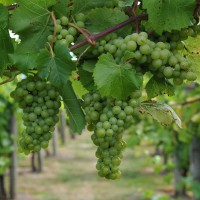
Grape Vines
Grape vines - and thus, grapes - are far easier to grow than many would choose to believe, and make a fantastic alternative to conventional climbers.
Grape vines also have the added benefit of producing fruit that you can use to eat or drink - and maybe be merry! More...
Most grape cultivars have their origins in the Mediterranean and Central Asian regions, but many modern grape vines can now be grown in our relatively mild British climate too. Which is great news for us, because grapes really are good for you!
They are of course the traditional hospital snack, and for good reason; grapes (black and red grapes in particular) are packed with powerful antioxidants such as quercetin and pterostilbene, which have immunity-boosting properties, and can help to soothe allergies. But it is thought that grapes may also help to keep some serious illnesses such as heart disease and cancers at bay. In addition, their high-water content together with the fibre contained in the grape skins makes them an excellent way to cleanse the guts, preventing constipation, whilst the natural sugars within the grape flesh makes them a fantastic source of energy. A good all-round addition to any diet!
But aside from their health benefits, grape vines are also great fun to grow. Both climbing grape vines and the grapes themselves make an attractive addition to any garden – a grape vine-covered arbour over your patio will instantly bring a touch of the Mediterranean into your garden.
Ultimately, it is fruiting performance that we aim for, whether it's for eating grapes fresh from the vine, for juicing, or for that supreme indulgence, wine-making.
We thought a joyful joke may encourage you so here goes...
What did the grape do when it got stepped on?
It let out a litte wine!
...now if that doesn't encourage you to have a go at growing grapes and then making wine with a little smile on your face we don't know what will!

Champagne Grape Collection

A truly novel gift! Two of the classic Champagne grape varieties and the all important recipe to make a fine quality sparkling wines. Can be grown outside. Self fertile.
Available Now
Supplied as a containerised vine grafted on S04 rootstock approximately 2 feet (60 cm) tall including pot.
Grape Vine 'Bacchus'

Eating / Wine Grape. A fine quality white grape with a distinct flavour and good habit. Suitable for outdoor and protected cropping. Self Fertile. Origin, Germany.
Available Now
Supplied as a containerised vine grafted on S04 rootstock approximately 2 feet (60 cm) tall including pot.
Grape Vine 'Bianca'

Wine Grape. A hardy white variety originally from Hungary which grows well in cooler climates with short seasons. Produces lots of small white grapes. Self fertile.
Available Now
Supplied as a containerised vine grafted on S04 rootstock approximately 2 feet (60 cm) tall including pot.
Grape Vine 'Cabernet Sauvignon'
Wine Grape. One of the classic claret grape varieties, producing small black grapes with an intense flavour. Recommended for protected growing only. Self Fertile.
Available Now
Supplied as a containerised vine grafted on S04 rootstock approximately 2 feet (60 cm) tall including pot.
Grape Vine 'Chardonnay'

Eating / Wine Grape. Gorgeously sweet golden grapes suitable for eating and wine-making. Suitable for outdoor and protected growing. Self Fertile.
Available Now
Supplied as a containerised vine grafted on S04 rootstock approximately 2 feet (60 cm) tall including pot.
Grape Vine 'Chenin Blanc'
Wine Grape. Smallish green fruits are perfect for crisp dry whites. Recommended for protected growing only. Self Fertile.
Available Now
Supplied as a containerised vine grafted on S04 rootstock approximately 2 feet (60 cm) tall including pot.
Grape Vine 'Divico'

Wine Grape. Almost black grapes are perfect for wine-making. Suitable for outdoor and protected growing. Self Fertile.
Available Now
Supplied as a containerised vine grafted on S04 rootstock approximately 2 feet (60 cm) tall including pot.
Grape Vine 'Dornfelder'

Eating / Wine Grape. Heavy cropping, producing large bunches of rich black fruits. Suitable for outdoor and protected growing. Self Fertile.
Available Now
Supplied as a containerised vine grafted on S04 rootstock approximately 2 feet (60 cm) tall including pot.
Grape Vine 'Huxelrebe'

Eating / Wine Grape. Large yellow fruits are packed full of sugar and have a delicate muscat flavour. Early to ripen. For outdoor and protected growing. Self Fertile.
Available Now
Supplied as a containerised vine grafted on S04 rootstock approximately 2 feet (60 cm) tall including pot.
Grape Vine 'Isabella'
Wine / Juice / Eating variety with a dark purple skin and green/yellow flesh. Good at withstanding hot climates (as well as cool).
Available Now
Supplied as a containerised vine grafted on S04 rootstock approximately 2 feet (60 cm) tall including pot.
Grape Vine 'Lakemont'

Seedless Eating Grape. Large bunches of medium-sized golden yellow grapes have an almost honey taste. Suitable for protected growing. Self Fertile.
Available Now
Supplied as a containerised vine grafted on S04 rootstock approximately 2 feet (60 cm) tall including pot.
Grape Vine 'Müller-Thurgau'

Eating / Wine Grape. Golden grapes are overloaded with sweet sugary flavours. Suitable for outdoor and protected growing. Self Fertile.
Available Now
Supplied as a containerised vine grafted on S04 rootstock approximately 2 feet (60 cm) tall including pot.
Grape Vine 'Madeleine Angevine'

Eating / Wine Grape. Sweet citrus-flavoured golden-white fruits. Well suited to the northern climate. Suitable for outdoor and protected growing. Self Fertile.
Available Now
Supplied as a containerised non grafted vine on S04 rootstock approximately 2 feet (60 cm) tall including pot.
Grape Vine 'Merlot'
Wine Grape. Purple-blue grapes have a soft, plummy flavour. Recommended for protected growing only. Self Fertile.
Available Now
Supplied as a containerised vine grafted on S04 rootstock approximately 2 feet (60 cm) tall including pot.
Grape Vine 'Parellada'
Wine Grape. White fruits with a fresh apple/nectarine flavour. One of the main grapes used to make Cava. Likes a long growing season. We suggest protected growing.
Available Now
Supplied as a containerised vine grafted on S04 rootstock approximately 2 feet (60 cm) tall including pot.
Grape Vine 'Phoenix'

Eating / Wine Grape. Large green fruits and good disease resistance. Suitable for outdoor and protected growing. Self Fertile.
Available Now
Supplied as a containerised vine grafted on S04 rootstock approximately 2 feet (60 cm) tall including pot.
Grape Vine 'Pinot Blanc'

Wine Grape. White form of the classic Pinot Noir - need we say more? Suitable for outdoor and protected growing. Self Fertile.
Available Now
Supplied as a containerised vine grafted on S04 rootstock approximately 2 feet (60 cm) tall including pot.
Grape Vine 'Pinot Gris'

Wine Grape. Grey-blue fruits. Perfect for crisp, dry, everyday white wines. Suitable for outdoor and protected growing. Self Fertile.
Available Now
Supplied as a containerised vine grafted on S04 rootstock approximately 2 feet (60 cm) tall including pot.
Grape Vine 'Pinot Meunier'
Eating / Wine Grape. Rich purple-black fruits suitable for wine and eating. Suitable for outdoor and protected growing. Self Fertile.
Available Now
Supplied as a containerised vine grafted on S04 rootstock approximately 2 feet (60 cm) tall including pot.
Grape Vine 'Regent'

Eating / Wine Grape. Deep red fruits ripen early. Popular wine grape but also excellent for eating. Suitable for outdoor and protected growing. Self Fertile.
Available Now
Supplied as a containerised vine grafted on S04 rootstock approximately 2 feet (60 cm) tall including pot.
Grape Vine 'Riesling'
Eating / Wine Grape. The classic wine grape of Germany. Sweet golden yellow fruits. Recommended for protected growing only. Self Fertile.
Available Now
Supplied as a containerised vine grafted on S04 rootstock approximately 2 feet (60 cm) tall including pot.
Grape Vine 'Saint Laurent'
Eating / Wine Grape. Almost-black grapes are perfect for eating and wine-making. Suitable for outdoor and protected growing. Self Fertile.
Available Now
Supplied as a containerised vine grafted on S04 rootstock approximately 2 feet (60 cm) tall including pot.
Grape Vine 'Semillon'
Wine Grape. Small, bright green grapes are packed full of juice. Suitable for outdoor and protected growing. Self Fertile.
Available Now
Supplied as a containerised vine grafted on S04 rootstock approximately 2 feet (60 cm) tall including pot.
Grape Vine 'Siegerrebe'

Eating / Wine Grape. An intensely sweet and aromatic variety producing delicious plum-coloured grapes. Suitable for outdoor and protected growing. Self Fertile.
Available Now
Supplied as a containerised vine grafted on S04 rootstock approximately 2 feet (60 cm) tall including pot.
Grape Vine 'Syrah'
Black Wine Grape. Also known as Shiraz (particularly in Australia), flavour changes depending on climatic conditions. Produces grapes with thick skins.
Available Now
Supplied as a containerised vine grafted on S04 rootstock approximately 2 feet (60 cm) tall including pot.
Grape Vine 'Triomphe d'Alsace'

Eating / Wine Grape. Early, hardy and disease-resistant, black grape. Perfect for northern gardeners. Suitable for outdoor and protected growing. Self Fertile.
Available Now
Supplied as a containerised vine grafted on S04 rootstock approximately 2 feet (60 cm) tall including pot.
Grape Vine 'Vanessa'

Seedless Eating Grape. A delightful early-ripening red grape. Excellent for growing in cooler climates. Suitable for outdoor and protected growing. Self Fertile.
Available Now
Supplied as a containerised vine grafted on S04 rootstock approximately 2 feet (60 cm) tall including pot.
Grape Vine 'Venus'

Seedless Eating / Juice Grape. A lovely blue-black seedless grape that is extremely versatile. Suitable for outdoor and protected growing. Self Fertile.
Available Now
Supplied as a containerised vine grafted on S04 rootstock approximately 2 feet (60 cm) tall including pot.
Grape Vine 'Verdejo'
Wine Grape. A white variety that likes the high altitudes of Spain and is usually harvested at night. Produces wine with a full-bodied honeyed, nutty flavour.
Available Now
Supplied as a containerised vine grafted on S04 rootstock approximately 2 feet (60 cm) tall including pot.
Grape Vine Fragola - Strawberry Grape Vine
Eating / Juice Grape. Small amber-red grapes have a distinct strawberry flavour. Delicious eaten straight from the vine. Suitable for outdoor and protected growing. Self Fertile.
Available Now
Supplied as a containerised vine grafted on S04 rootstock approximately 2 feet (60 cm) tall including pot.
Grape Vine 'Prior'
Eating / Wine Grape. Rich, intense red fruits with fruity/spicy flavours, similar to Pinot Noir but matures a little later.
Available Now
Supplied as a containerised vine grafted on S04 rootstock approximately 2 feet (60 cm) tall including pot.
 More information...
Grape Vine 'Black Hamburgh'

Eating / Wine Grape. Large, thin-skinned, black fruits have a gorgeously sweet flavour. Suitable for outdoor growing in the South, protected further North. Self Fertile.
Currently Not Available To Purchase - Available from APPROXIMATELY early June
Supplied as a containerised vine grafted on S04 rootstock approximately 2 feet (60 cm) tall including pot.
More information...
Grape Vine 'Chasselas Doré De Fontainebleau'

Eating / Wine Grape. Sublimely flavoured sweet golden fruits. Suitable for outdoor and protected growing. Self Fertile.
Currently Not Available To Purchase - Available from APPROXIMATELY early June
Supplied as a containerised vine grafted on S04 rootstock approximately 2 feet (60 cm) tall including pot.
More information...
Grape Vine 'Chasselas Rosé Royale'

Eating / Wine Grape. Sublimely sweet rosy red fruits are perfect for both wine making and eating. Suitable for outdoor and protected cropping. Self Fertile.
Currently Not Available To Purchase - Available from APPROXIMATELY early June
Supplied as a containerised vine grafted on S04 rootstock approximately 2 feet (60 cm) tall including pot.
More information...
Grape Vine 'Gamay'

Wine Grape. Purple black fruits are perfect for making juice and light fruity red wines. Recommended for protected growing only. Self Fertile.
Currently Not Available To Purchase - Available from - SOLD OUT UNTIL NEXT YEAR - 2025
Supplied as a containerised vine grafted on S04 rootstock approximately 2 feet (60 cm) tall including pot.
More information...
Grape Vine 'Gewürztraminer'

Eating / Wine Grape. Pinky-red grapes have a delicious spicy flavour. Suitable for outdoor and protected growing. Self Fertile.
Currently Not Available To Purchase - Available from APPROXIMATELY early June
Supplied as a containerised vine grafted on S04 rootstock approximately 2 feet (60 cm) tall including pot.
More information...
Grape Vine 'Grenache'
Wine Grape. Great for those making their own wine as the blue-black grape has a high sugar and alcohol content. Often used to make Chateauneuf-du-Pape. Self Fertile.
Currently Not Available To Purchase - Available from APPROXIMATELY early June
Supplied as a containerised vine grafted on S04 rootstock approximately 2 feet (60 cm) tall including pot.
More information...
Grape Vine 'Kentish Claret'

Eating / Wine Grape. Almost black grapes are perfect for eating, wine or jams. Suitable for outdoor and protected growing. Self Fertile.
Currently Not Available To Purchase - Available from - We Need To Check Stock
Supplied as a containerised non grafted vine on S04 rootstock approximately 2 feet (60 cm) tall including pot.
More information...
Grape Vine 'Macabeo'
Wine Grape. This large white grape is often used to make Rioja and Cava. High-yielding with fairly neutral acidity, best grown under protection. Self Fertile.
Currently Not Available To Purchase - Available from APPROXIMATELY early June
Supplied as a containerised vine grafted on S04 rootstock approximately 2 feet (60 cm) tall including pot.
More information...
Grape Vine 'Muscat D'Alexandria'

Eating / Wine Grape. Gorgeous golden fruits have a sweet muscat flavour and scent. Recommended for protected growing only. Self Fertile.
Currently Not Available To Purchase - Available from APPROXIMATELY early June
Supplied as a containerised vine grafted on S04 rootstock approximately 2 feet (60 cm) tall including pot.
More information...
Grape Vine 'Muscat Saint-Vallier'

Eating Grape. Large green fruits have a subtle muscat flavour. Suitable for outdoor and protected growing. Self Fertile.
Currently Not Available To Purchase - Available from APPROXIMATELY early June
Supplied as a containerised vine grafted on S04 rootstock approximately 2 feet (60 cm) tall including pot.
More information...
Grape Vine 'Picurka'

Seedless Eating Grape. A lovely golden yellow seedless grape which develops freckles on its skin as it ripens. Suitable for outdoor and protected growing. Self Fertile.
Currently Not Available To Purchase - Available from APPROXIMATELY early June
Supplied as a containerised vine grafted on S04 rootstock approximately 2 feet (60 cm) tall including pot.
More information...
Grape Vine 'Pinot Noir'

Eating / Wine Grape. The noble grape of Burgundy and Champagne; eats well too. Rich black fruits. Suitable for outdoor and protected growing. Self Fertile.
Currently Not Available To Purchase - Available from - We Need To Check Stock
Supplied as a containerised vine grafted on S04 rootstock approximately 2 feet (60 cm) tall including pot.
More information...
Grape Vine 'Reichensteiner'

Eating / Wine Grape. Golden fruits become extremely sweet as they ripen. Excellent for cooler parts of the country. For outdoor and protected growing. Self Fertile.
Currently Not Available To Purchase - Available from APPROXIMATELY early June
Supplied as a containerised vine grafted on S04 rootstock approximately 2 feet (60 cm) tall including pot.
More information...
Grape Vine 'Rhea'

Seedless Eating Grape. Beautiful, large, pink oval fruits are sweet and juicy. Suitable for outdoor and protected growing. Self Fertile.
Currently Not Available To Purchase - Available from APPROXIMATELY early June
Supplied as a containerised vine grafted on S04 rootstock approximately 2 feet (60 cm) tall including pot.
More information...
Grape Vine 'Sauvignon Blanc'

Wine Grape. Large green fruits are perfect for making a wide variety of wine styles. Suitable for outdoor and protected growing. Self Fertile.
Currently Not Available To Purchase - Available from APPROXIMATELY early June
Supplied as a containerised vine grafted on S04 rootstock approximately 2 feet (60 cm) tall including pot.
More information...
Grape Vine 'Schonburger'

Eating / Wine Grape. Gorgeously sweet plum-coloured fruits. Suitable for outdoor and protected growing. Self Fertile.
Currently Not Available To Purchase - Available from - We Need To Check Stock
Supplied as a containerised vine grafted on S04 rootstock approximately 2 feet (60 cm) tall including pot.
More information...
Grape Vine 'Seyval Blanc'

Eating / Wine Grape. A reliable white grape with good disease resistance, highly recommended. Suitable for outdoor and protected growing. Self Fertile.
Currently Not Available To Purchase - Available from APPROXIMATELY early June
Supplied as a containerised vine grafted on S04 rootstock approximately 2 feet (60 cm) tall including pot.
More information...
Grape Vine 'Suffolk Red'
Seedless Eating Grape. Bright purple-red fruits. With good Winter hardiness this is an excellent grape for Northern gardeners. Self Fertile.
Currently Not Available To Purchase - Available from APPROXIMATELY early June
Supplied as a containerised vine grafted on S04 rootstock approximately 2 feet (60 cm) tall including pot.
More information...
Grape Vine 'Tempranillo'
Wine Grape. A popular variety grown in the north of Spain, producing deep blue-black grapes with seeds. Can be grown with or without protection.
Currently Not Available To Purchase - Available from APPROXIMATELY early June
Supplied as a containerised vine grafted on S04 rootstock approximately 2 feet (60 cm) tall including pot.